
Mario Morales
PhD Candidate in Health Behavior and Health Promotion
Certificate in Computational Social Science
Weaving ethnographic depth with computational precision to understand and prevent health and environmental risks across borders.
I study gender-based violence, substance use, mental health, and environmental health using mixed methods across the US, Mexico, Belize and South Africa.
My training spans anthropology, demography, government, and public policy.
Graduating May 2026 — Open to postdoctoral and research positions. Get in touch
Methods & Tools
Methods
- Ethnography & qualitative interviewing
- Survey design & administration
- Causal-oriented observational analysis
- Mixed models & survey-weighted modeling
- NLP text workflows
- Machine learning classification
Tools
- R (tidyverse, survey, lme4)
- Python (pandas, scikit-learn, spaCy)
- Stata
- Atlas.ti & NVivo
- Git & reproducible workflows
Research Areas
Prevention Science Across Borders
My research examines population-level risk and protective factors for health outcomes, with a focus on integrating prevention strategies across domains.
One Health
Cross-cultural research across the US, Mexico, Belize and South Africa examining social and environmental determinants of health in underserved communities.
Violence Prevention
Gender-based violence prevention, bystander interventions (Green Dot), and intimate partner violence research with vulnerable populations.
Substance Use
Harm reduction, police education programs, opioid misuse prevention, and drug policy analysis at the US-Mexico border.
Mental Health
Depression, loneliness, and suicidality research focusing on life-skills interventions and emotional regulation promotion.
Publications
First-Author Work
Video and audio summaries generated with NotebookLM
Risk Factors for Loneliness Among Mexican-Origin Adults
Identified key social determinants of loneliness in a community sample at the US-Mexico border, revealing the protective role of family cohesion and social participation.
Audio Summary
Factors Associated with Depressive Symptoms at the US-Mexico Border
Physical pain was positively related to depressive symptoms, while hope was negatively associated. Understanding these factors helps address mental health needs in border communities.
Audio Summary
Factors Associated with Diabetes at the US-Mexico Border
Examined social determinants and modifiable risk factors for diabetes among Mexican-origin adults, emphasizing community-based interventions.
Audio Summary
"Pick Up Anything That Moves": Police Crackdowns in Tijuana
Qualitative analysis revealing how police spatial regulation practices impact people who use drugs, with implications for harm reduction policy.
Audio Summary
Drug Policy Implementation Barriers: Police Perspectives in Mexico
Ethnographic study uncovering how conflicting laws and institutional priorities create barriers to implementing drug policy reform at the street level.
Audio Summary
Extrajudicial Arrest for Syringe Possession in Tijuana
Department-wide survey of municipal police identifying factors associated with illegal arrests for syringe possession, highlighting the gap between law and practice.
Audio Summary
Coming Soon
Forthcoming Research in collaboration with NTV South Africa
Whale encounter - South Africa
Ray encounter - Mozambique
Preliminary survey of teleost species richness, abundance and seasonality in Plettenberg Bay using Baited Remote Underwater Video (BRUV) data
Hannah Mary Lazenby, Mario Morales, Melissa Nel, Chantel Elston, Alejandra Vargas-Fonseca
In 2024, we used underwater video surveys in Plettenberg Bay, South Africa, to document local fish communities and seasonal changes. One site (Jacobs) had more and a wider variety of fish than another (Meidebank). Fish diversity was higher in the drier season, providing a baseline for future conservation monitoring.
Whale & Dolphin Tales: South Africa & Mozambique
To understand what whales and dolphins have meant—past and present—for coastal communities, especially fishermen. Using thematic analysis plus topic modeling, we will map recurring motifs around livelihood, ocean identity, and care for wildlife to illuminate nature–human connections and conservation attitudes.
Professional Journey
From Ethnography to Epidemiology
The Beginning: San Agustinillo, Oaxaca, Mexico
I was conducting ethnographic fieldwork in a coastal village when organized crime began reshaping the region. My informants started sharing stories about Los Zetas—not because I asked, but because violence had become unavoidable. This unexpected turn sparked my interest in understanding violence through data.
Quantifying the War on Drugs: El Colegio de México
I transitioned to numbers to understand what I had witnessed. My master's thesis was one of the first quantitative studies examining the association between police/military operations and organized crime-linked homicides in Mexico. This work earned the Gustavo Cabrera Award for best demography thesis.
Inside the Machine: ICIT and Federal Police, Mexico City
Wanting to understand security policy from the inside, I joined García Luna's private consultancy (ICIT) and the Internal Affairs Unit of the Mexican Federal Police. I worked as an analyst and coordinated an international congress with 300+ law enforcement leaders from across the world. Bureaucracy and corruption weren't for me and I quit, but the experience was invaluable for understanding the Mexican War on Drugs.
ESCUDO Project: Tijuana, Mexico
I helped design, implement, and evaluate one of the first interventions to change knowledge, attitudes, and behaviors among municipal police officers regarding people who use drugs. We trained 1,800+ officers in harm reduction and occupational safety. This experience taught me how to bridge research and practice.
AzPRC (now PEAR): Community-Based Prevention Research, Tucson
At Arizona Prevention Research Center, I learned community-based participatory research in the Arizona–Sonora border region and translated community priorities into measurable prevention questions. Using baseline data from partnering federally qualified health centers, I studied how chronic disease and mental health intersect among Mexican-origin adults: depressive symptoms were linked to physical pain and hope, diabetes to hypertension and education, and loneliness to social support, hope, and health-related limitations.
National-Scale Analyses
Computational + Survey Methods
NMPOU in U.S. Adolescents (YRBS 2023)
Why it matters
Nonmedical prescription opioid use (NMPOU) clusters with suicidality, bullying, and dating violence, calling for integrated prevention.
Data + method
Nationally representative 2023 YRBS; multiply imputed, survey-weighted logistic regression with adjusted models.
Key findings
Lifetime NMPOU prevalence was 12.4% (~1.9M students). In adjusted models, NMPOU was associated with suicidality (AOR 2.28), bullying (AOR 1.82), DV (AOR 1.37), and early sexual initiation (AOR 2.29).
Physical Domestic Violence Justification in Belize (MICS5)
Why it matters
National averages can hide concentrated risk—essential for precision-targeted gender policy and prevention.
Data + method
Belize MICS5 2015–2016 (n = 9,446); survey-weighted logistic regression; Intersectional Priority Cascade to map risk concentration.
Key findings
National PDV justification was 9.8%, but rose to 34.1% at the intersection of adolescence, Maya ethnicity, and rural Toledo residence. Higher education was a strong protective factor.
IPV-Related Pregnancy-Associated Deaths (NVDRS 2019–2023)
Why it matters
IPV circumstances are not consistently captured for pregnancy-associated deaths, limiting prevention for pregnant and postpartum adolescents and young adults.
Data + method
NVDRS Restricted Access Data 2019–2023; human-labeled narrative review; NLP text-based classifiers (regularized logistic regression, linear SVM).
Contribution
Will produce validated NLP tool to scale IPV identification across eligible deaths and inform targeted prevention for adolescents and young adults.
The Vision
THRIVE-Belize — In collaboration with MPH Aimee Slagle and Hillside Health Care
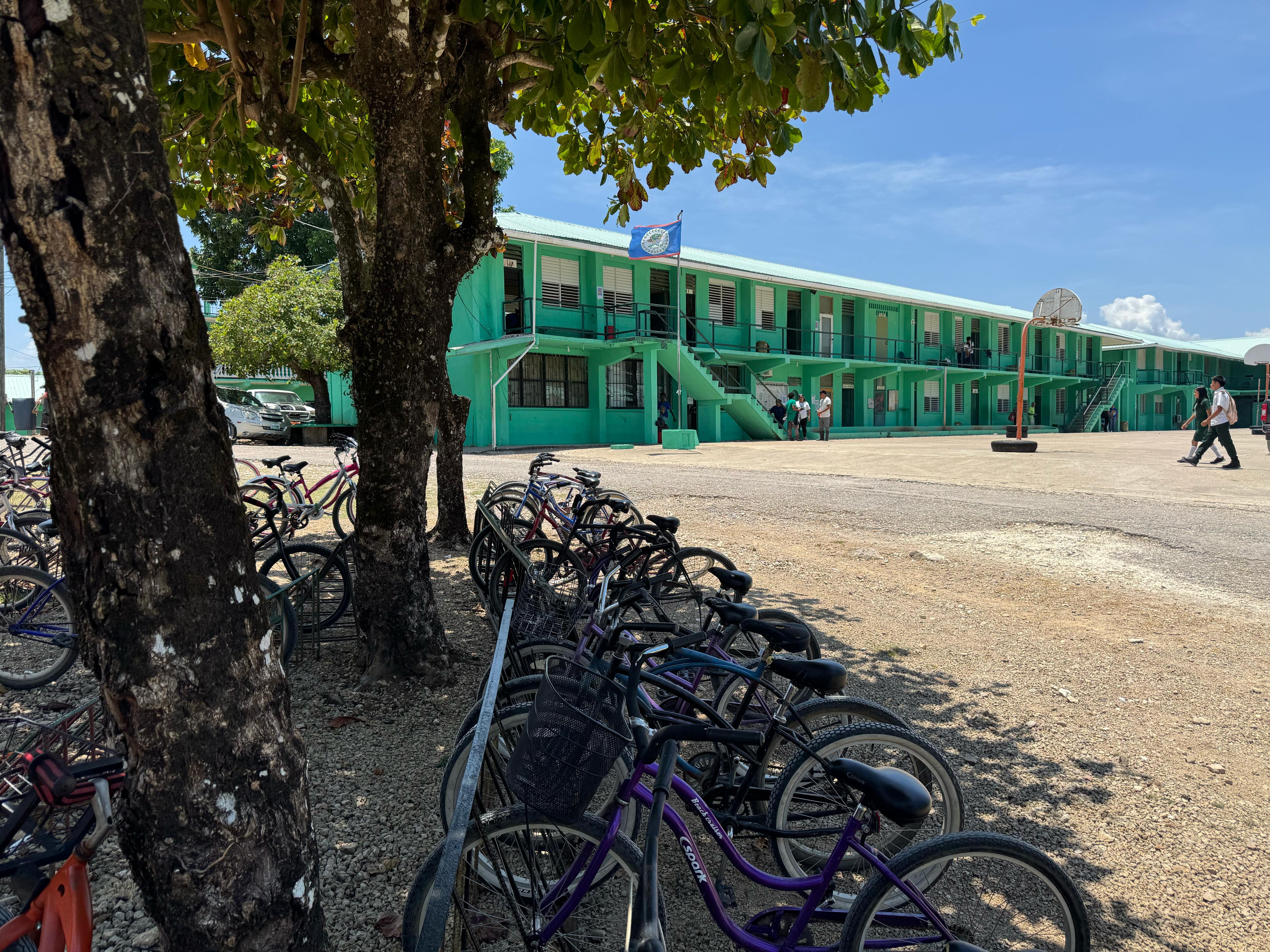
Toledo Community College, Belize
Transformative Health Resources and Interventions for Vital Empowerment
A comprehensive, multi-component life-skills curriculum for secondary schools in Belize. The program integrates emotional regulation, healthy relationships, mental health, sexual/reproductive health, environmental health, and substance use prevention.
The project will be developed and evaluated in three phases:
Mixed-methods feasibility study
Pilot cluster-RCT to assess effectiveness
Definitive cluster-RCT in Toledo District
All methods are useful; all outcomes are connected.
Blog & Creative Writing
Essays, Stories & Academic Presentations
Published Essays
El Pianista
A personal essay offering a touching, humorous portrait of my neighbor—a pianist whose life unfolds through the walls separating our homes, revealing moments of struggle, family visits, musical practice, and the isolation of pandemic lockdown.
Read Essay →¿Quiénes son Guatemala, El Salvador y Honduras?
A popular science essay examining Central American migration caravans, analyzing demographic, economic, political, and security contexts in Guatemala, El Salvador, and Honduras, while exploring how these movements have reshaped U.S.-Mexico relations.
Read Essay →Creative Writing
I'm Suspended, Not Fired
A narrative piece exploring themes of work, identity, and institutional life.
Audio Version
The Roundness of Her White T-Shirt
A creative piece exploring memory, perception, and intimate observation.
Download Story →El Pulpo y su Dopamina
Written during Andrea Chapela's creative writing workshop, this piece blends scientific curiosity with literary imagination to explore consciousness and neurochemistry through the lens of an octopus.
Download Story →Reggaetón & Research
Bad Bunny: Cultural Analysis
Presentation examining the cultural impact and social commentary in Bad Bunny's music and public persona.
Download Slides →Bad Bunny: Computational Social Science
Presentation at the Summer Institute in Computational Social Science, Institute for Analytical Sociology, Norrköping, Sweden, applying computational methods to analyze cultural phenomena.
Download Slides →Get in Touch
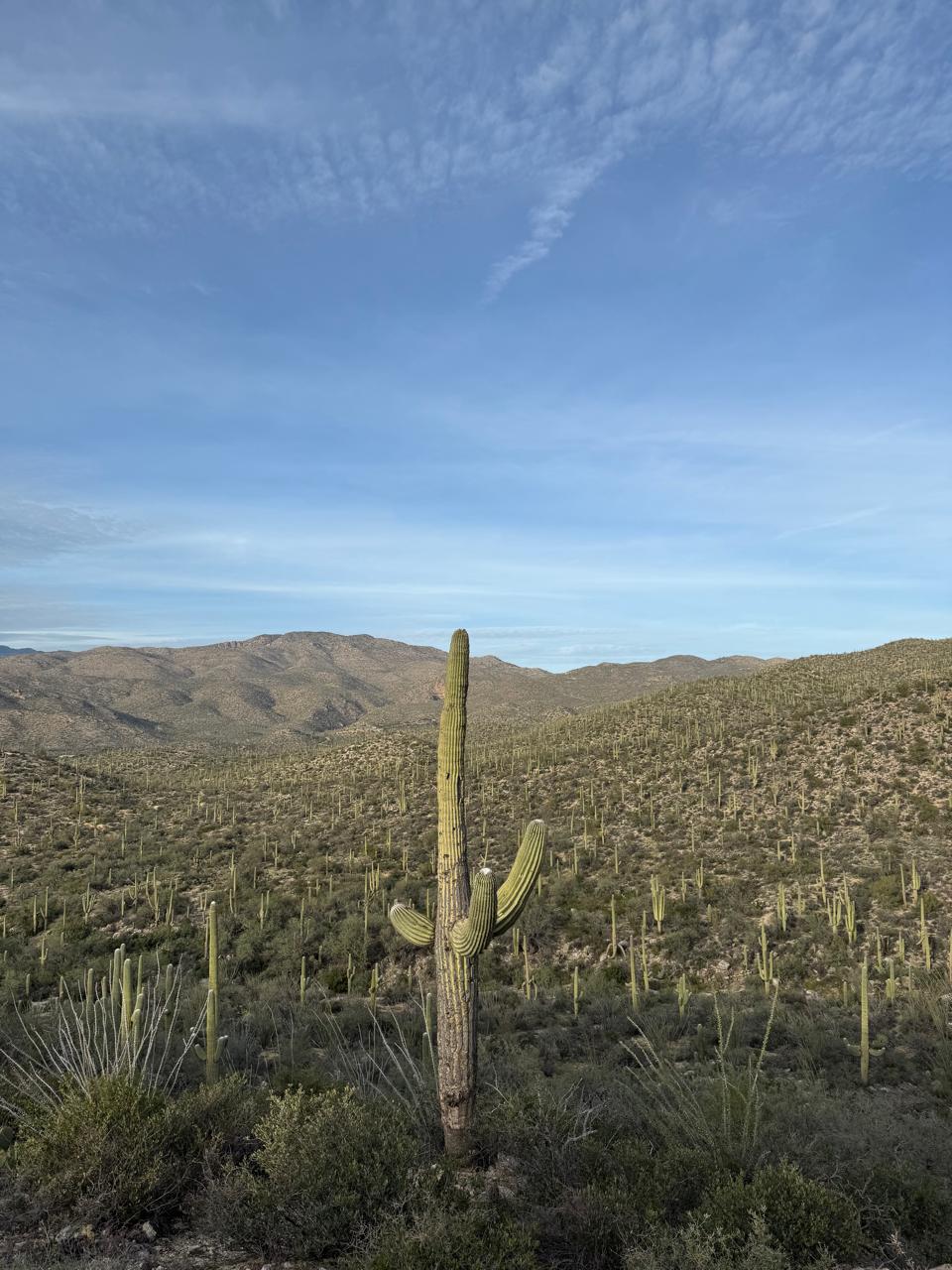
Open to collaboration, speaking invitations, and job opportunities. I'm actively seeking postdoctoral positions and research opportunities starting August 2026.
Location
Mel & Enid Zuckerman College of Public Health
University of Arizona, Tucson, AZ